Virtual Reality in Education: Enhancing Learning Experiences
Introduction:
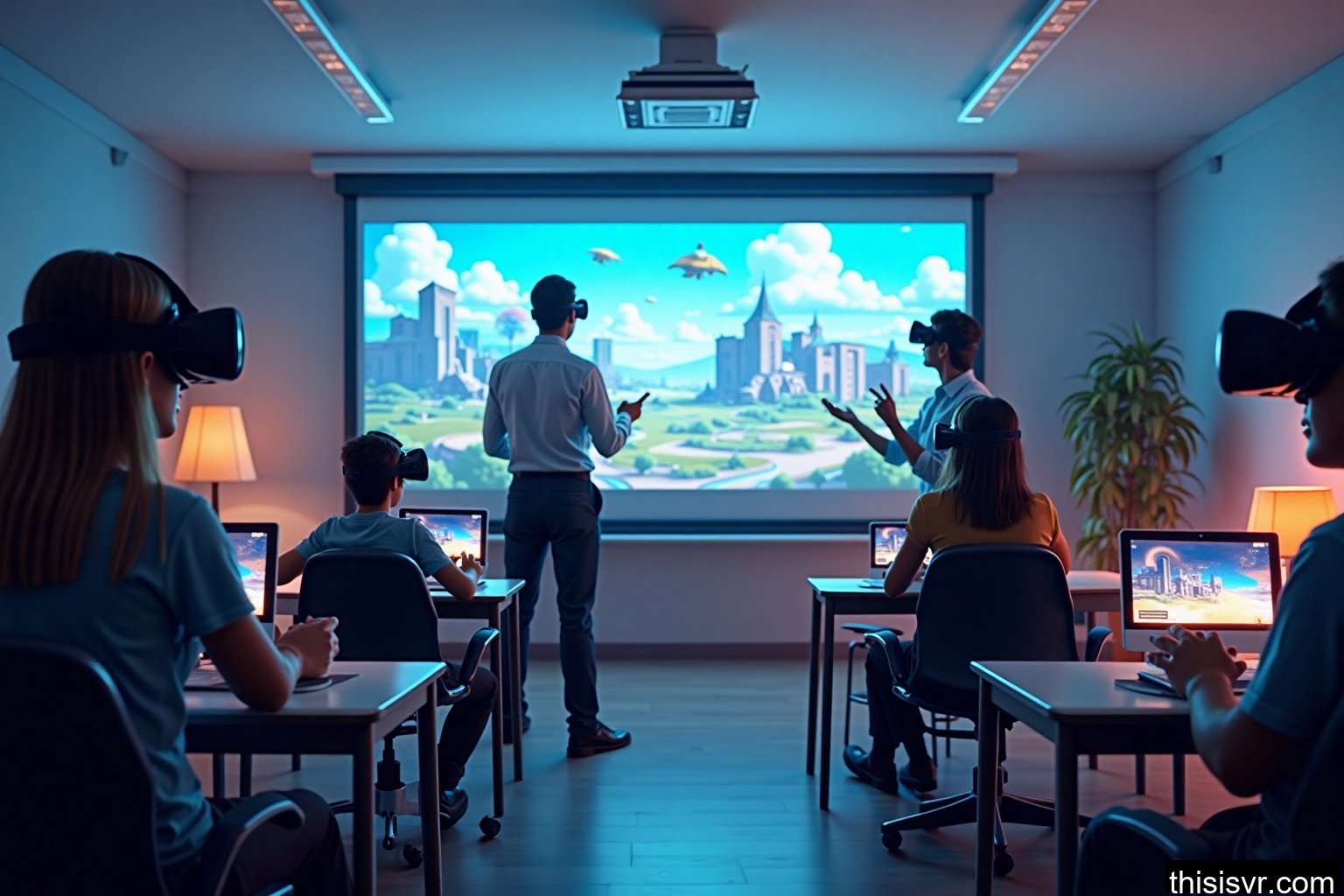
In an era where technology has infiltrated every aspect of our lives, it comes as no surprise that virtual reality (VR) is making its way into the education sector. Immersive, engaging, and interactive, VR has the power to revolutionize the way students learn and absorb information. By transporting learners into virtual worlds, virtual reality offers a unique and impactful educational experience that goes beyond traditional textbooks and lectures.
ThisIsVR.com, the ultimate platform for all things VR, introduces you to the exciting world of virtual reality in education. Join us as we explore the myriad of ways in which VR is enhancing learning experiences and empowering educators to engage students in innovative ways.
Main Content:
1. Virtual Field Trips: Bringing Learning to Life
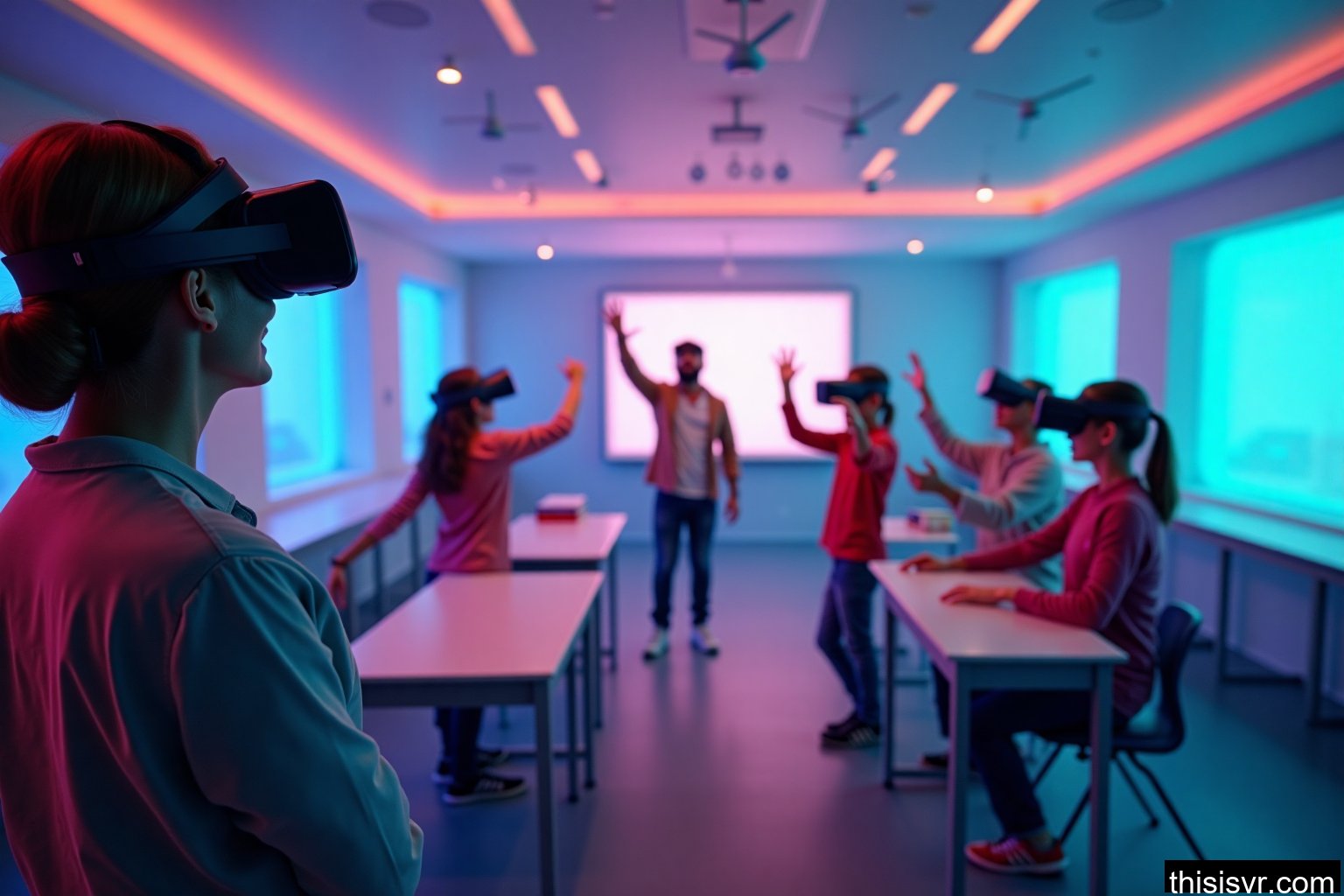
Enhancing Engagement and Retention Traditional field trips have long been a favorite of students, but budget constraints and logistical challenges often limit the number of real-world experiences they can have. With virtual reality, educators can overcome these limitations by offering virtual field trips that bring the outside world into the classroom. By wearing VR headsets, students can visit historical landmarks, explore distant countries, and even journey to outer space, all from the comfort of their desks. This immersive experience not only enhances engagement and retention but also ignites curiosity and a passion for learning.
Breaking Barriers to Access Virtual field trips are particularly beneficial for schools with limited resources or students with physical disabilities. VR eliminates travel costs and allows students to visit places they may never have had the opportunity to experience. According to a study by the University of Colorado, virtual field trips in VR have been found to boost students' interest and understanding in specific subjects by up to 30%. By democratizing access to unique learning opportunities, VR is leveling the playing field and widening educational horizons.
2. Simulations: Practicing Real-World Skills
Hands-On Learning One of the most powerful applications of VR in education is its ability to simulate real-world scenarios. Whether it's practicing surgery in a virtual operating room or solving complex mathematical problems in a virtual lab, simulations offer hands-on learning experiences that drive student engagement and skill development. By providing a safe and controlled environment, VR empowers students to experiment, make mistakes, and learn from their experiences. Studies have shown that immersive VR simulations can accelerate learning by up to four times compared to traditional teaching methods, making it a valuable tool for educators across various disciplines.
Fostering Collaboration and Teamwork Collaboration and teamwork are crucial skills for the 21st-century workforce. VR facilitates collaborative learning by allowing students to work together in shared virtual environments. Whether they are solving puzzles, building structures, or role-playing historical events, VR encourages peer interaction and fosters teamwork. This hands-on collaboration not only enhances critical thinking and problem-solving skills but also promotes effective communication and empathy.
3. Personalized Learning: Catering to Individual Needs
Addressing Learning Styles Every student learns differently, and VR offers a personalized learning experience that caters to individual needs. Through adaptive technologies, VR platforms can adapt content based on students' learning styles, providing customized lessons that optimize comprehension and retention. Whether a student is a visual learner who benefits from interactive visualizations or a kinesthetic learner who thrives in hands-on experiences, VR can tailor educational content to suit their unique requirements. This personalized approach not only nurtures individual strengths but also encourages self-motivated learning.
Closing the Achievement Gap Virtual reality has the potential to bridge the achievement gap by offering targeted interventions for struggling students. By providing virtual tutors, personalized coaching, and immediate feedback, VR tools can identify areas of weakness and adapt instruction accordingly. A study conducted by Stanford University found that students who used VR to learn complex scientific concepts performed significantly better than their peers who learned through traditional methods. This breakthrough technology has the power to level the academic playing field and equip all students with the necessary skills for future success.
Conclusion:
Virtual reality is transforming education by creating immersive and interactive learning experiences that engage students like never before. Whether it's embarking on virtual field trips, practicing real-world skills through simulations, or embracing personalized learning, VR is revolutionizing the way we educate and prepare future generations for the challenges ahead.
ThisIsVR.com is your go-to resource for all things VR, from expert insights to product recommendations. Explore the site for more articles and tutorials on how virtual reality is reshaping industries beyond education, such as healthcare and real estate. Join the VR revolution, and unlock the boundless potential of immersive technology to enhance both personal experiences and professional capabilities.
[Internal Links: Read more about VR in Healthcare and VR in Real Estate on ThisIsVR.com]
[Statistics: According to a report by Future Source, the global market for VR in education is predicted to reach $2.8 billion by 2023. Additionally, a study by Gartner predicts that by 2025, 20% of educational institutions will be using VR for regular classroom instruction.]